
Toner vs essence: what each one does
Updated · Unboxia, Dublin · 4 min read
Toner vs essence confuses almost everyone building a Korean skincare routine. A toner is the first watery layer after cleansing: it rebalances and preps the skin. An essence is the light layer that follows, carrying a bigger dose of hydrating, skin-conditioning ingredients. You can use one, the other, or both. This guide explains how they differ and where each fits.
What is the difference between a toner and an essence?
The short version: a toner is about prep, an essence is about delivery. A modern Korean toner is the most fluid leave-on step in a routine. Its job is to put water back into freshly cleansed skin, ease that tight post-wash feel, and ready the surface so whatever you apply next spreads evenly and sinks in. Toners lean on humectants and gentle plant extracts rather than heavy actives.
An essence sits a notch up in richness. It is still light and water-like, but it carries a more concentrated blend of hydrating and conditioning ingredients, often aimed at bounce, resilience and a smoother-looking surface. Where a toner mostly handles surface water and comfort, an essence is where a routine starts doing a little more, while the skin is still damp and receptive from the toner.
The line blurs because brands name things loosely. Some "first essences" are watery enough to behave like a toner; some richer toners do an essence's job. Read what a product is for, not only the word on the label.
Which comes first, toner or essence?
Toner first, essence second. The usual Korean order after cleansing runs toner, then essence, then any serums or ampoules, then moisturiser, with sunscreen to finish in the morning. The rule of thumb is thinnest texture first, and prep before the more targeted steps: the toner puts water back and rebalances, the essence layers on while skin is damp, and heavier serums or creams come after.
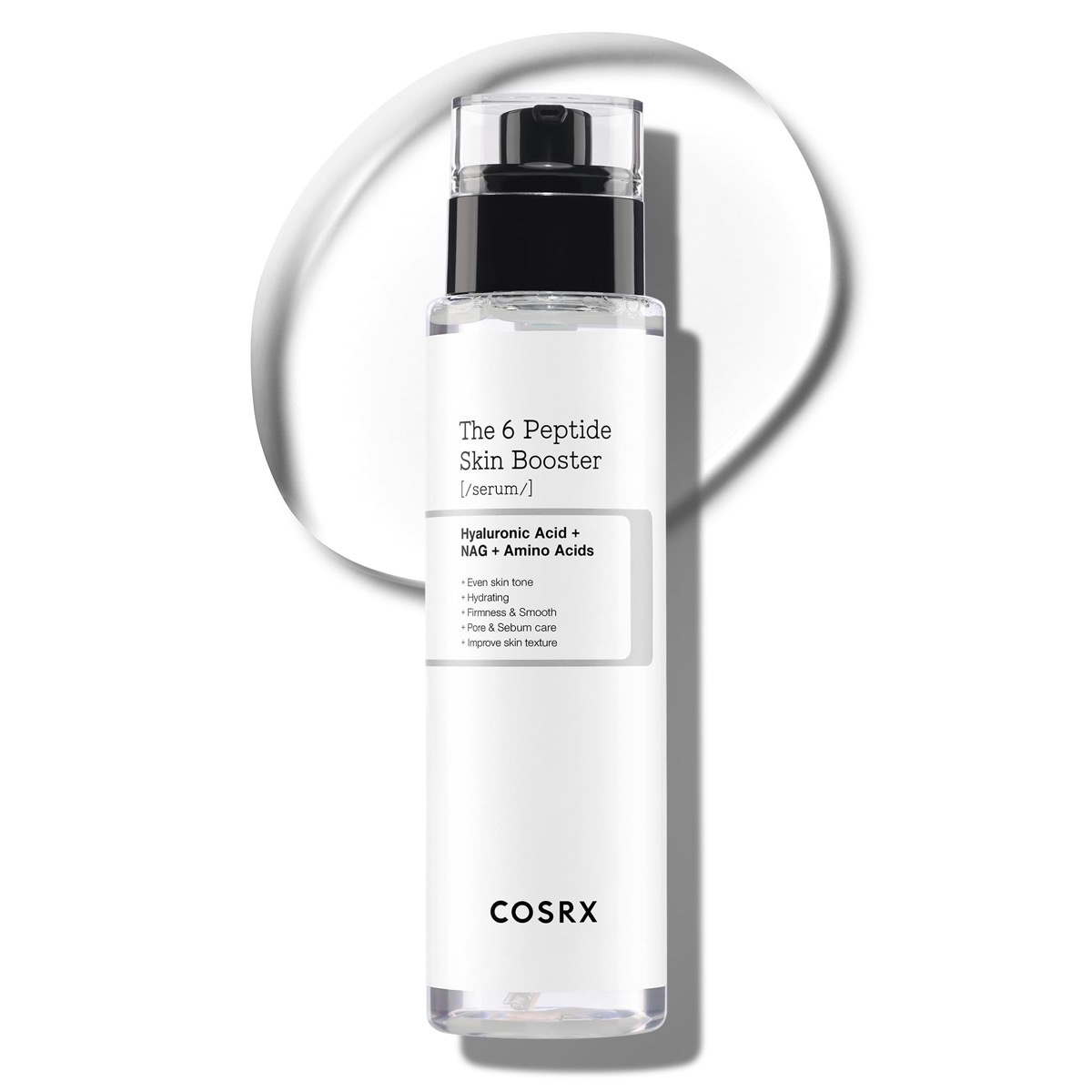
A few products bend that order on purpose. A "first-step" or "booster" layer is built to go on straight after cleansing, ahead of everything else, because its watery format helps the rest of the routine absorb. COSRX, for instance, tells you to use its 6 Peptide booster right after cleansing in place of a toner, ahead of any ampoule or serum, so despite the word serum in the name it plays a toner's prep role.
Do you need both a toner and an essence?
Not always. Plenty of good routines run cleanser, toner, serum and moisturiser, and skip the essence entirely, because toner and serum already cover water prep and targeted care. You add an essence when you want an extra hydrating, conditioning layer in between, or when your skin feels like it drinks up everything you give it.
A quick way to decide:
- A toner earns its place if your skin feels tight or rough straight after cleansing, or if you like sweeping away residue with a pad.
- An essence earns its place when you want more hydration and a plumper, smoother-looking finish without reaching for a heavy cream.
If you are only adding one step this season, a hydrating toner is the easier win. Bring in an essence when you are ready to build the routine out.
K-beauty toners and essences to start with
Three from our range, matched to the steps above.
- Toner step, serum format: COSRX The 6 Peptide Skin Booster Serum. COSRX describes this light, toner-like layer as the first step after cleansing, blending six peptides with niacinamide, hyaluronic acid and allantoin, and lists it as suitable for all skin types.
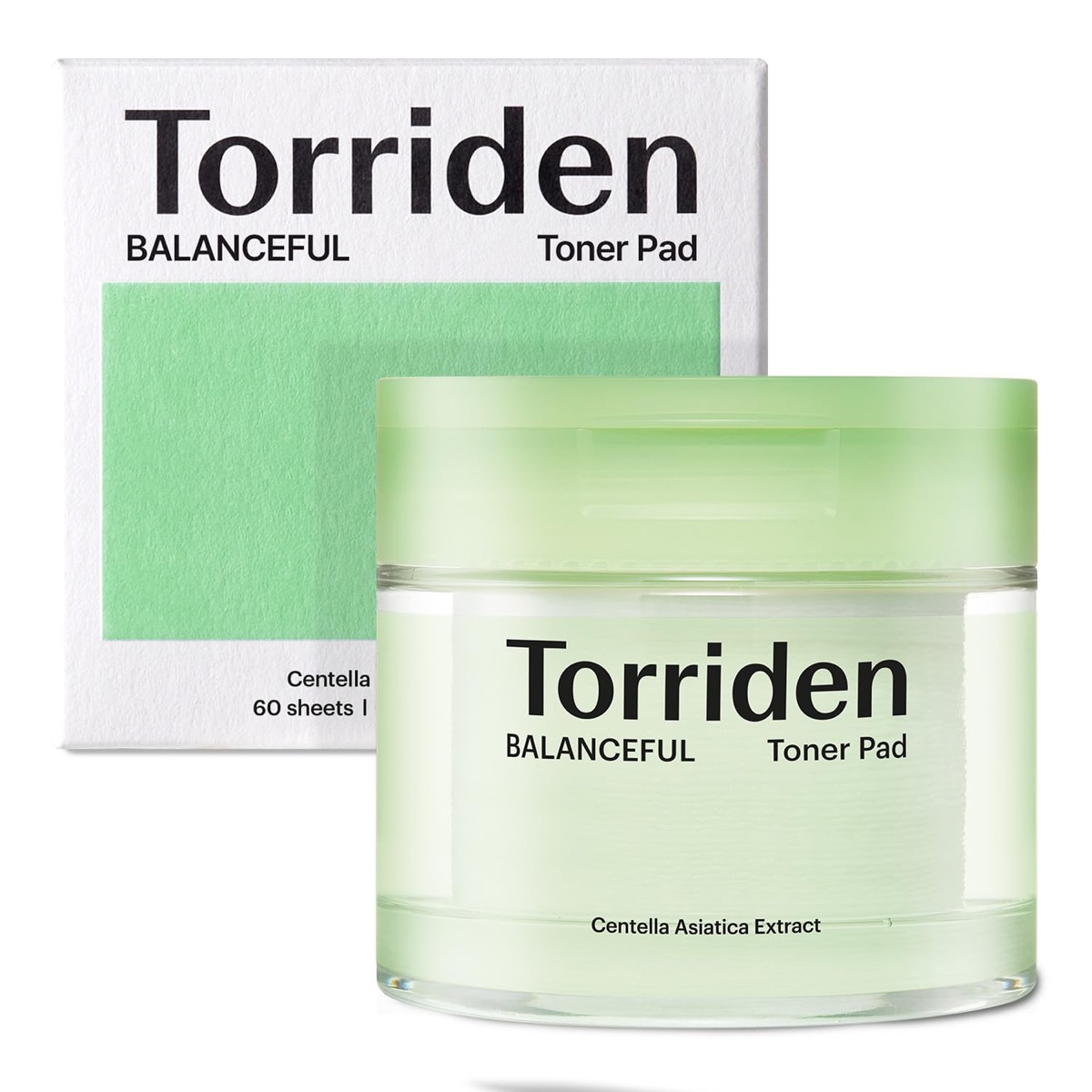
- Toner step, pad format: Torriden Balanceful Toner Pad. Pre-soaked pads that lift away the last of your cleanser and lay down a hydrating first layer in one pass.
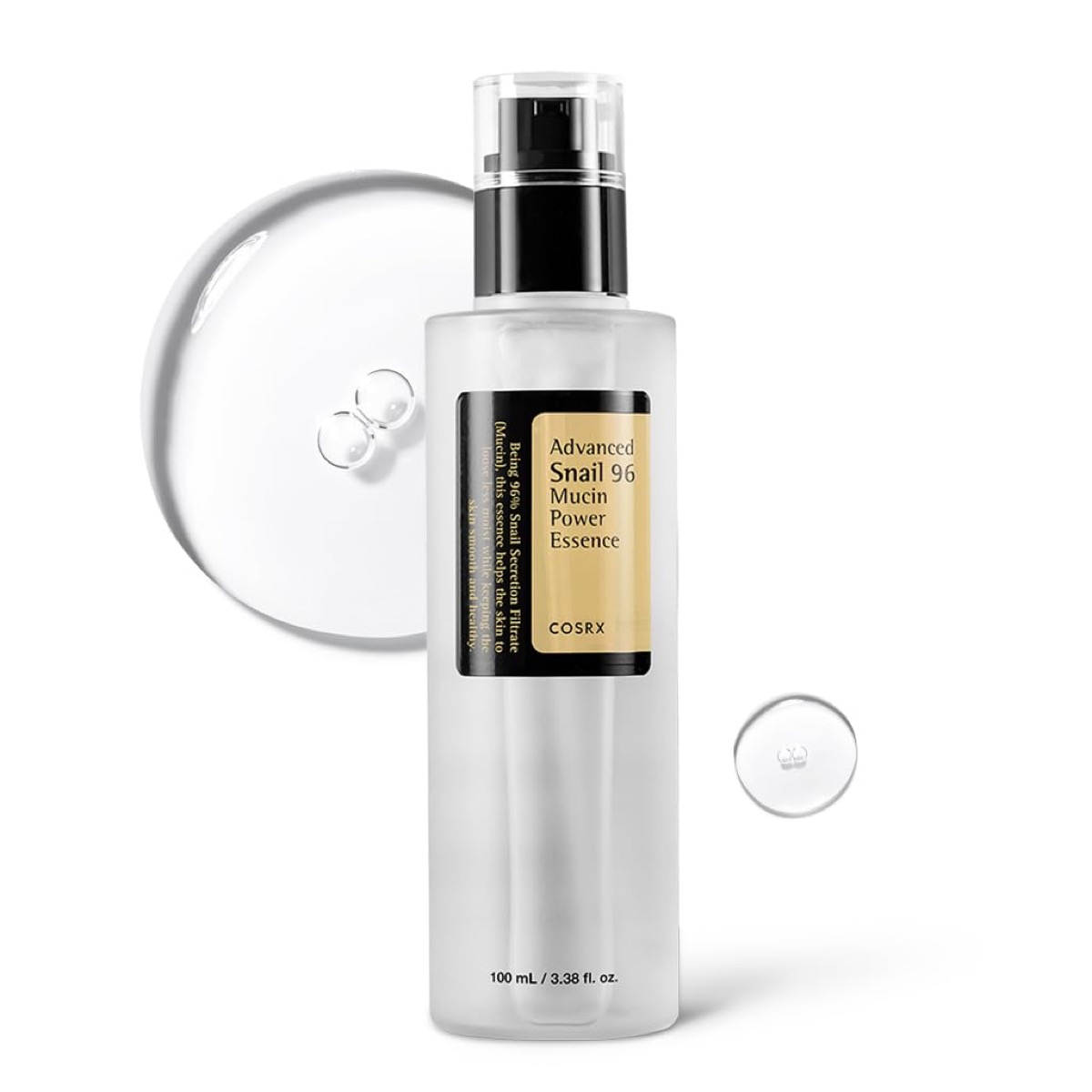
- Essence step: COSRX Advanced Snail 96 Mucin Power Essence. An essence built almost entirely around snail mucin (snail secretion filtrate), which COSRX lists for all skin types, including skin it describes as sensitive. It is the classic layer to reach for once your toner is down.
Looking at the step after these? Compare the options in our serums and ampoules, or see how those two formats differ in serum vs ampoule. Niacinamide turns up in several of these formulas, so if it is new to you, read how to use niacinamide first.
How to choose your first toner or essence
Start from the gap in your routine, not the label on the bottle. If your skin feels tight or rough after washing, a hydrating toner, liquid or pad, is the first fix. If it already feels comfortable but you want more bounce and glow, an essence is the better addition. Short on time or budget? One well-chosen toner does more day to day than an essence stacked on a routine that skips the basics.
Patch test anything new, let it settle in over a few weeks before you decide, and browse the full toners and essences range when you are ready. Everything here ships from Dublin across Ireland, so check delivery for timings.
Questions people ask
Can I use a toner and an essence in the same routine?
Yes. Put the toner on freshly cleansed skin first, then pat in the essence while the skin is still damp, then carry on with serums and moisturiser. Using both is common in Korean routines; just keep each layer light so nothing pills.
Does an essence replace a serum?
Not really. An essence is a light hydrating layer that preps the skin, while a serum or ampoule carries more concentrated, targeted ingredients. They sit at different points, essence before, serum after. You can run both, or skip the essence if your routine is already full.
Is snail mucin a toner or an essence?
COSRX sells its snail mucin product as an essence, so it goes on after your toner, not instead of it. It works as a hydrating, conditioning layer rather than a prep step, which is why it fits the essence slot in a routine.
Should I apply essence to damp or dry skin?
Damp. Essences tend to absorb best when the skin is still moist from your toner, so pat it in within a few seconds of the toner rather than waiting for your face to dry fully.
In this guide, available in Ireland
COSRX
COSRX Advanced Snail 96 Mucin Power Essence 100ml
€14.60
In stock
Only 1 left in stock – order soon
Torriden
Torriden Balanceful Toner Pad 60 pads, 180ml
€22.50
In stock
Only 1 left in stock – order soon
COSRX
COSRX The 6 Peptide Skin Booster Serum 150ml
€20.99
In stock
Only 1 left in stock – order soon