How to use a foaming cleanser in your routine
Updated · Unboxia, Dublin · 4 min read
How to use a foaming cleanser is the easy part: wet your face, lather a little between your palms, work it over the skin in light circles, then rinse off with tepid water. A foaming cleanser is the water-based wash step, used once or twice a day before everything else. This guide covers what it does, who each kind suits, and how to pick your first one.
What does a foaming cleanser do?
A foaming cleanser lifts the day off your skin. Its surfactants whip up with water into a light lather that grabs oil, sunscreen, sweat and everyday grime, then carries it all down the plughole when you rinse. Because it is water-based, it is the wash you reach for first thing in the morning and, at night, as the step that sweeps away whatever is left after make-up comes off.
That makes it different from an oil cleanser or balm, which melts make-up and water-resistant sunscreen off dry skin before water ever touches it. Many people pair the two at night, oil first and foam second, though a foam on its own is enough if you wear little make-up. A good one leaves skin feeling clean and comfortable rather than tight or squeaky; squeaky usually means the formula has stripped too much.
How to use a foaming cleanser, step by step
Using one well takes under a minute, and the order matters more than the effort.
- Splash your face with tepid water, never hot, since heat can leave skin feeling taut.
- Squeeze out a small amount, about a pea or a 1cm strip.
- Add a drop of water and rub your palms together until it turns to foam.
- Spread the lather over the face and massage in gentle circles for twenty to thirty seconds, lingering where oil gathers, around the nose and chin.
- Rinse well, then press the skin dry with a soft towel instead of dragging it.
- Carry on with your toner or essence, then serum and moisturiser, with sunscreen last in the morning.
Morning or night? Both, for most people. If your skin runs dry, a plain water rinse at dawn and a foam only at night is kinder. Keep the water lukewarm at every wash.
A gentle daily foam, or one that also exfoliates?
Foaming cleansers fall into two broad camps. Most are plain, gentle foams for everyday washing. A few carry fine grains, or lean on a mild acid, so they smooth the surface as they clean. Two from our range show the difference.
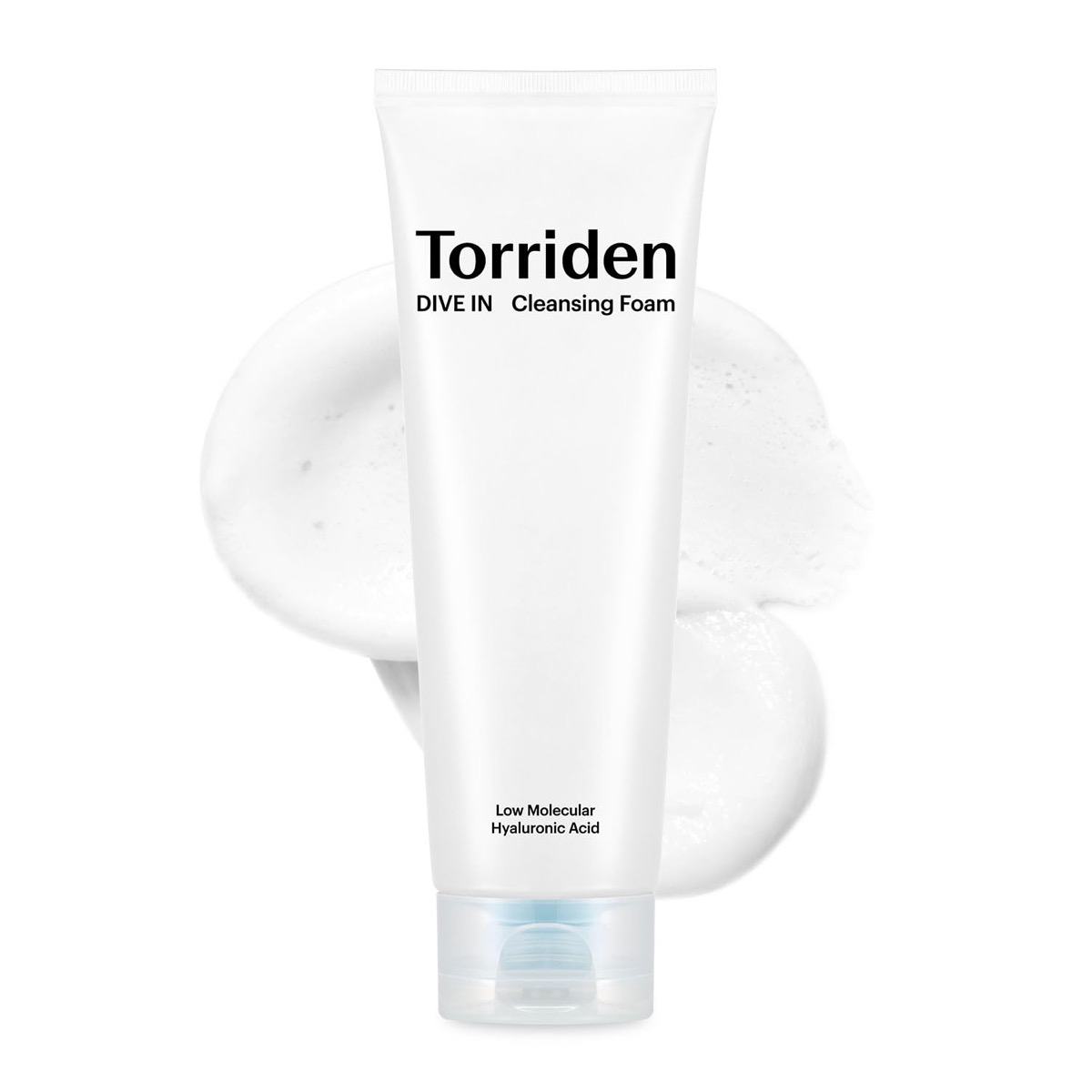
For every day, the Torriden Dive-In Cleansing Foam is a soft, dense bubble wash. Torriden builds it on what it calls 8D hyaluronic acid, eight forms of the ingredient in one formula, with panthenol and allantoin, and suits it to normal, dry and combination skin. The brand says it takes off sunscreen and the oil that settles in pores while leaving the face feeling moist rather than stripped, which makes it an easy morning wash and a gentle nightly clean.
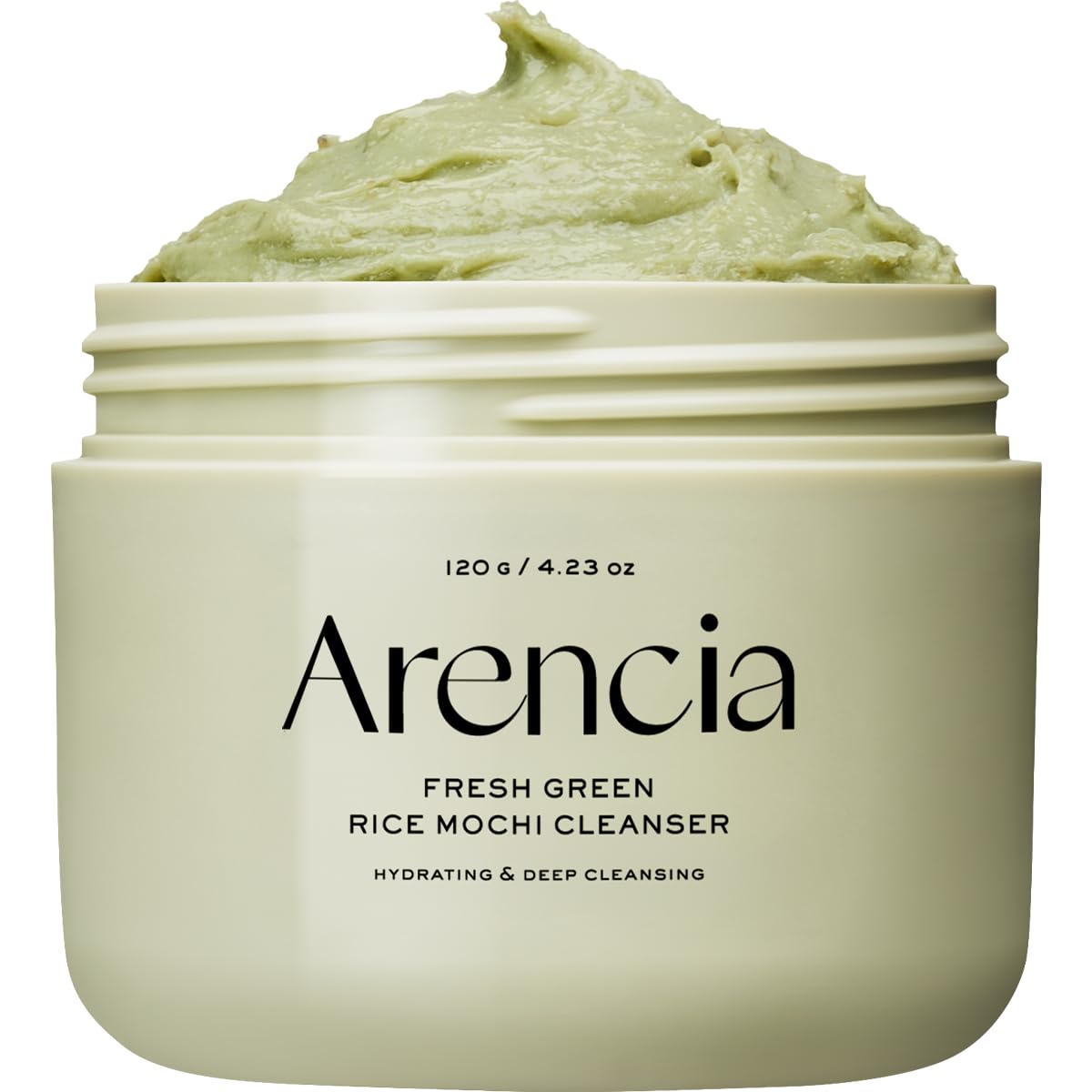
When skin feels rough or you fancy an occasional deeper clean, the Arencia Fresh Green Rice Mochi Cleanser adds a light physical polish. Fine rice powder and ground almond in its stretchy, mochi-like base buff away dulling flakes as the foam works, and Arencia points it at normal, combination and congested skin. The brand says it can double up as a quick mask: spread a thicker layer, give it a minute or two, and do that just a couple of times a week. A grainy foam like this belongs to a few days a week, not every one.
How often should you use a foaming cleanser?
Twice a day is the ceiling for most skin, and once a day is fine if yours leans dry. The thing to dodge is over-washing: a face that feels tight, taut or flaky afterwards is being cleansed too often, or the formula is too strong for it. Warm rather than hot water helps here as well.
If a cleanser carries grains, like the Arencia above, use it as the occasional step, not the daily one, and resist stacking exfoliators. A grainy wash plus an acid pad on the same night is too much at once. When you do want a deeper weekly polish without scrubbing, a leave-on option such as the medicube Zero Pore Pad, a dual-textured pad medicube makes for exfoliation, does the work between your ordinary washes. Pick one exfoliating step, not three.
How to choose your first foaming cleanser
Start with how your skin feels after you wash, not with the label. If it feels tight or dry, a plain, gentle foam is the safer pick, like the hydrating Torriden Dive-In above. If your skin runs oilier, looks rough, or you like the idea of a light polish now and then, the grainy Arencia mochi wash gives you an everyday clean and an occasional mask in one jar.
Whichever you choose, patch test it first, keep the water lukewarm, and give any new routine a few weeks before you judge it. For the step that follows cleansing, read toner vs essence, and for the last step of a morning, how to use sunscreen. To weigh up more options, browse the full cleansers and masks and pads ranges. Everything here is packed and posted from Dublin, so check delivery for timings across Ireland.
Questions people ask
How do you use a foaming cleanser?
Wet your face with lukewarm water, squeeze out a pea-sized amount, add a drop of water and rub it between your palms until it foams. Massage the lather over the face for twenty to thirty seconds, focusing where oil builds up, then rinse and pat dry. Follow with the rest of your routine.
Should you use a foaming cleanser in the morning and at night?
For most skin, yes, twice a day works. If your skin is on the dry side, a plain water rinse in the morning and a foam at night is gentler. A tight or flaky feeling after washing is the sign you are overdoing it, so scale back to once a day.
Is a foaming cleanser good for dry skin?
It can be, as long as it is a gentle, hydrating one rather than a harsh, high-lather formula. Look for a soft foam that leaves skin comfortable, not squeaky. Torriden, for instance, suits its Dive-In foam to normal, dry and combination skin. Very dry skin may prefer a cream or oil wash some of the time.
What is the difference between a foaming cleanser and a gel cleanser?
Both are water-based washes for after any oil cleanser. A foaming cleanser lathers into bubbles and tends to give a more thorough clean, which oilier skin often likes. A gel cleanser stays gel-like, lathers less, and can feel lighter and less drying, which suits drier or reactive skin. Texture and skin type decide it.
Can you use a foaming cleanser with scrub grains every day?
Better not. A foam with physical grains, like Arencia's rice mochi wash, lightly polishes the surface, so daily use can leave skin feeling raw. Keep a grainy or exfoliating foam to two or three times a week, and use a plain, gentle foam the rest of the time.